

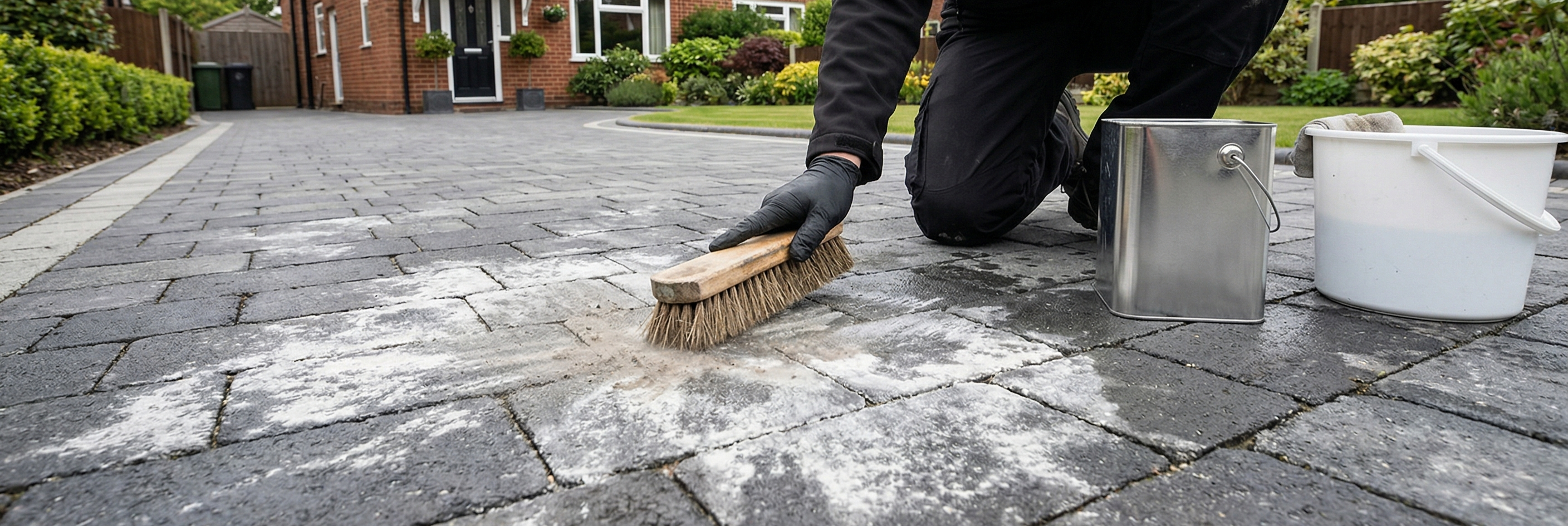
The answer is a definitive yes. You must 100% remove all traces of efflorescence before applying any sealer or coating. Efflorescence is a salt deposit that builds up on bricks and other common materials. It gets pushed to the surface by moisture and if you seal over it, you are effectively trapping a ticking time bomb of mineral growth beneath the film. If you’re lucky, it will only leave an ugly discoloration under the transparent sealer. However, in a lot of cases, the resulting pressure will eventually push the sealer off the substrate, causing it to flake, peel, or turn a permanent, cloudy white.
-
Adhesion Barrier: Sealer needs to bond to the mineral profile of the stone or brick, not a loose layer of salt dust.
-
Crystalline Expansion: As salts continue to grow under a sealer, they create "osmotic pressure" that can physically rupture the coating.
-
Aesthetic Ruin: Sealing over white salts "locks" the discoloration in, making it nearly impossible to remove without stripping the entire sealer.
→ Shop SummitSeal - Efflo-X - Efflorescence & Salt Remover
What is Efflorescence?
Efflorescence is not a stain; it is a migration of water-soluble salts (typically calcium, sodium, or potassium) from within the concrete, bricks or mortar to the surface.
When water penetrates the masonry, it dissolves these salts. As the sun draws the moisture back out, the water evaporates, leaving the solid salt crystals behind on the surface. This is a natural process. However, when you introduce a sealer into the mix, you cause this build-up to get trapped.
Why Sealing Over Salt is a Recipe for Failure
If you ignore the white powder and apply a sealer over the top, you create three major technical problems:
1. The Bond Failure
Sealers are designed to anchor into the pores of the substrate. Efflorescence is a loose, powdery substance. If you seal over it, the sealer is "bonding" to the salt. Because the salt isn't stuck to the brick, the sealer won't be either. You will experience "delamination" within weeks.
2. Osmotic Blistering
Even after you seal the surface, moisture can still enter the masonry from the ground or through cracks (hydrostatic pressure). This water will find the salt trapped under your sealer. As the salt re-hydrates and expands, it creates immense pressure. This results in blistering, where the sealer bubbles up and eventually pops.
3. Permanent Clouding (Whitening)
Many people mistake trapped efflorescence for "sealer bloom" (trapped moisture). If you seal over salt, the salt becomes a permanent part of the film. It will look like a milky, white haze that won't go away with heat or time. The only fix is to chemically strip the sealer back to bare stone and start again.
The Solution: Using SummitSeal Efflo-X
To break the cycle of salt migration, you need a chemical cleaner that doesn't just wash the surface but actually dissolves the salt minerals.
Everest Efflo-X is a specialised acid-based formulation designed to penetrate the surface and neutralise the salt deposits. Unlike "soap and water" or a pressure washer alone - which often just pushes the salt deeper into the pores - Efflo-X reacts with the calcium and sodium to break their bond with the masonry.
Step 1: Cleaning
Apply Efflo-X to the affected area. You will notice a "fizzing" reaction as the acid meets the alkaline salts. Use a stiff brush to agitate the area, then rinse thoroughly with clean water.
Step 2: The "Wait and See" Window
After cleaning, you must wait. We recommend at least 48 to 72 hours of dry weather. If the efflorescence returns within this window, it means there is a significant moisture issue or "salt reservoir" within the wall. You must repeat the cleaning process until the salt stops appearing.
Step 3: Sealing
Once the surface is clean and - most importantly - bone dry, you can apply your sealer. By removing the salts first, you ensure the sealer can penetrate the pores and "cap" them, making it much harder for future moisture to pull salts to the surface.
Honest Trade-offs: Is it a Permanent Fix?
Source Control: A sealer and an efflorescence remover are "symptom" treatments. If you have a leaking pipe behind a wall or a failed damp-proof course, the salt will eventually find a way back. You must fix the source of the water ingress for a 100% permanent solution.
New Build "Bleeding": It is very common for new brickwork or concrete to "bleed" salts for the first 6 to 12 months as it fully cures. We often recommend waiting for a full season before sealing new masonry to let the majority of the salts work their way out naturally.
Share:
Sealer Bloom: Why Your Driveway Turned White & How to Fix It
Car Tyres Pulling Paint Up? Hot Tyre Pickup: Why it Happens and How to Prevent It