System Overview
For steel, galvanised steel, timber and fibre cement used in agricultural buildings, protective coatings must withstand weather exposure, rural contaminants and variable maintenance cycles. Farm and agricultural structure paints for steel and timber are specified to protect structural elements, cladding and ancillary metalwork across working farm environments.
This collection incorporates acrylic, alkyd and direct-to-metal (DTM) systems suited to refurbishment and maintenance of barns, livestock housing, workshops and storage structures. The focus is on practical, trade-applied solutions that balance corrosion control, substrate compatibility and ease of application across mixed-material buildings.
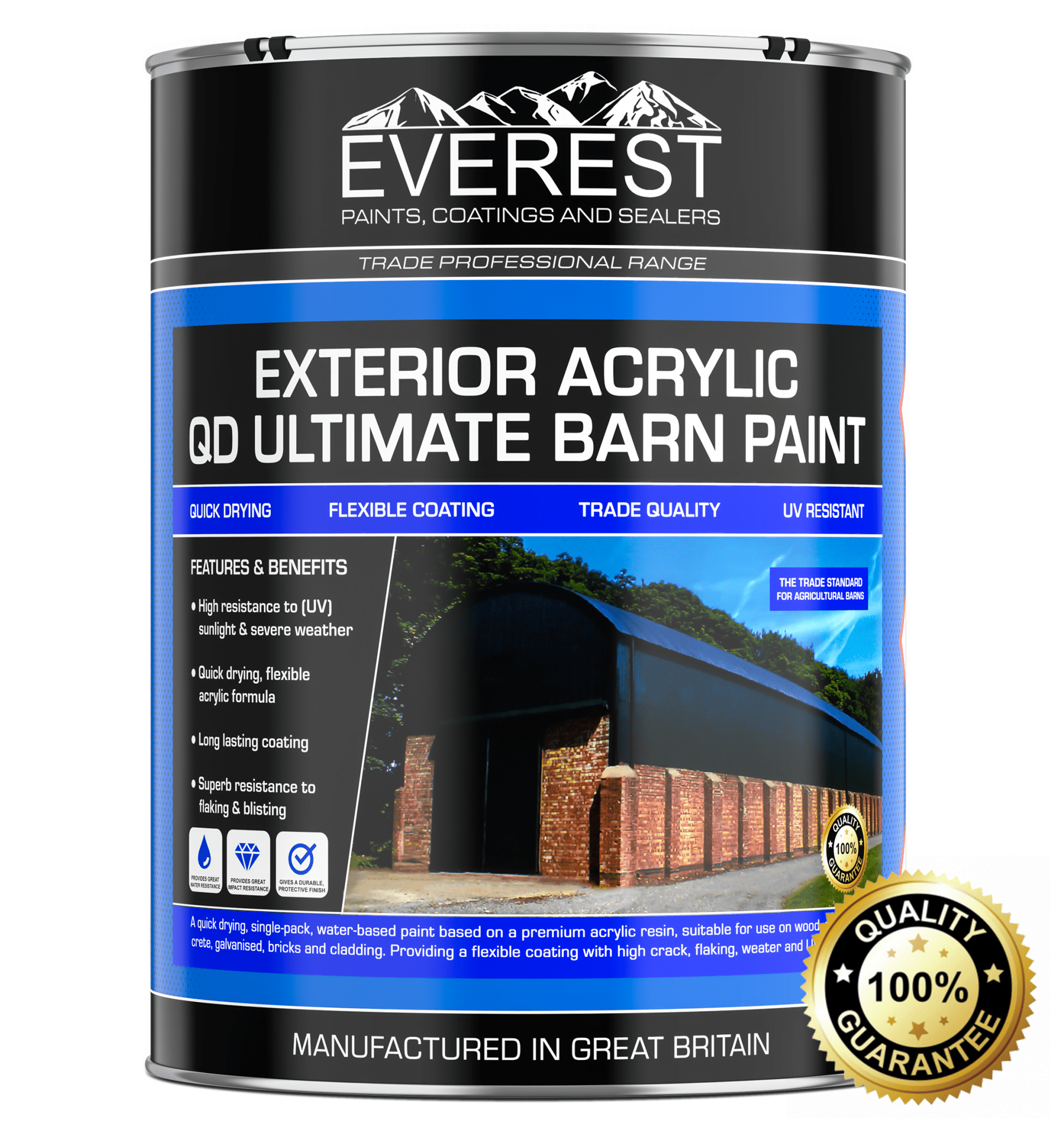
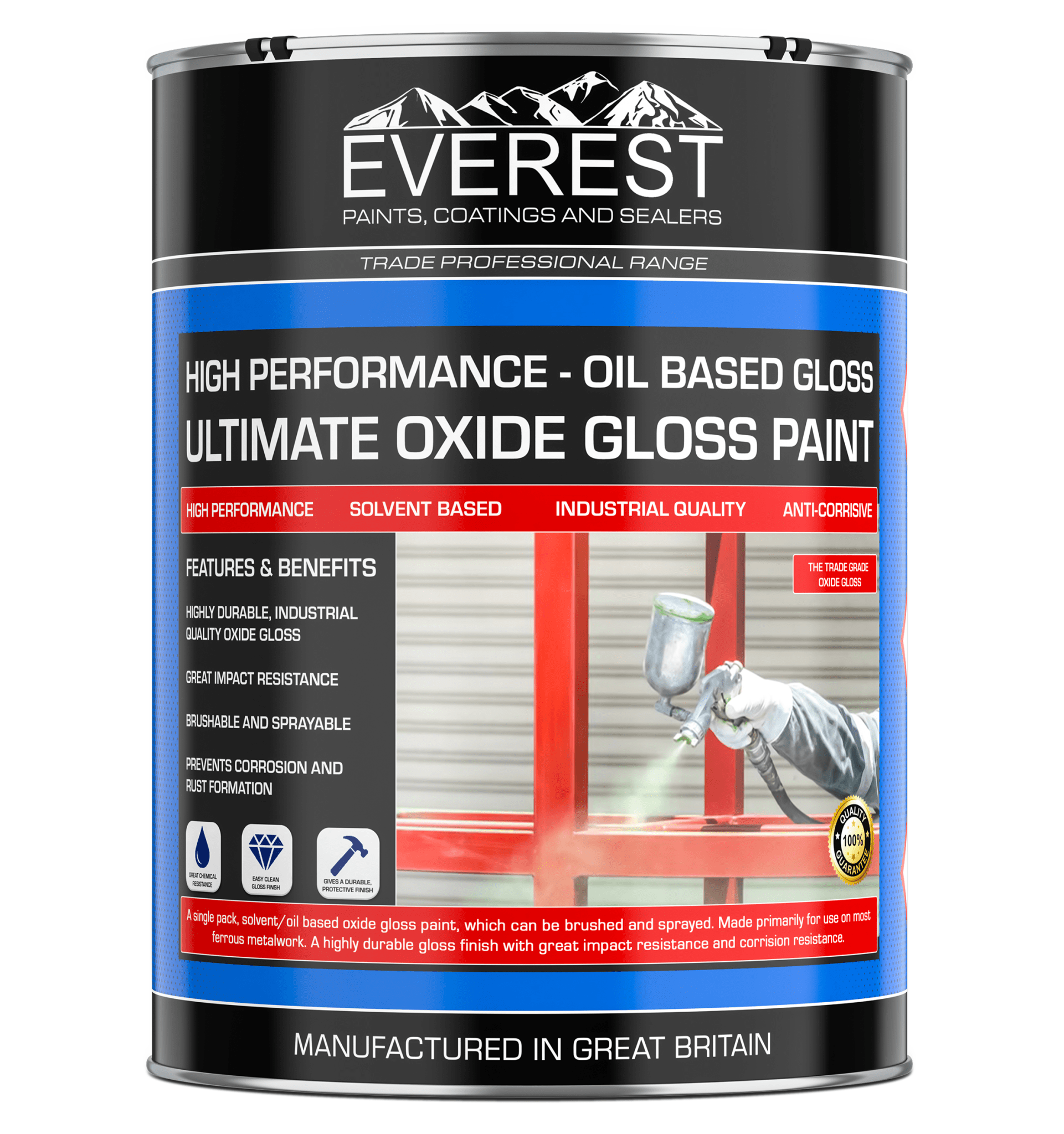
Acrylic systems provide UV stable finishes for masonry and fibre cement. Alkyd coatings deliver durable gloss and semi-gloss protection on steel and timber. Direct-to-metal technologies simplify specification by combining primer and topcoat functionality on suitably prepared ferrous and non-ferrous substrates.
Suitable Substrates & Surface Preparation
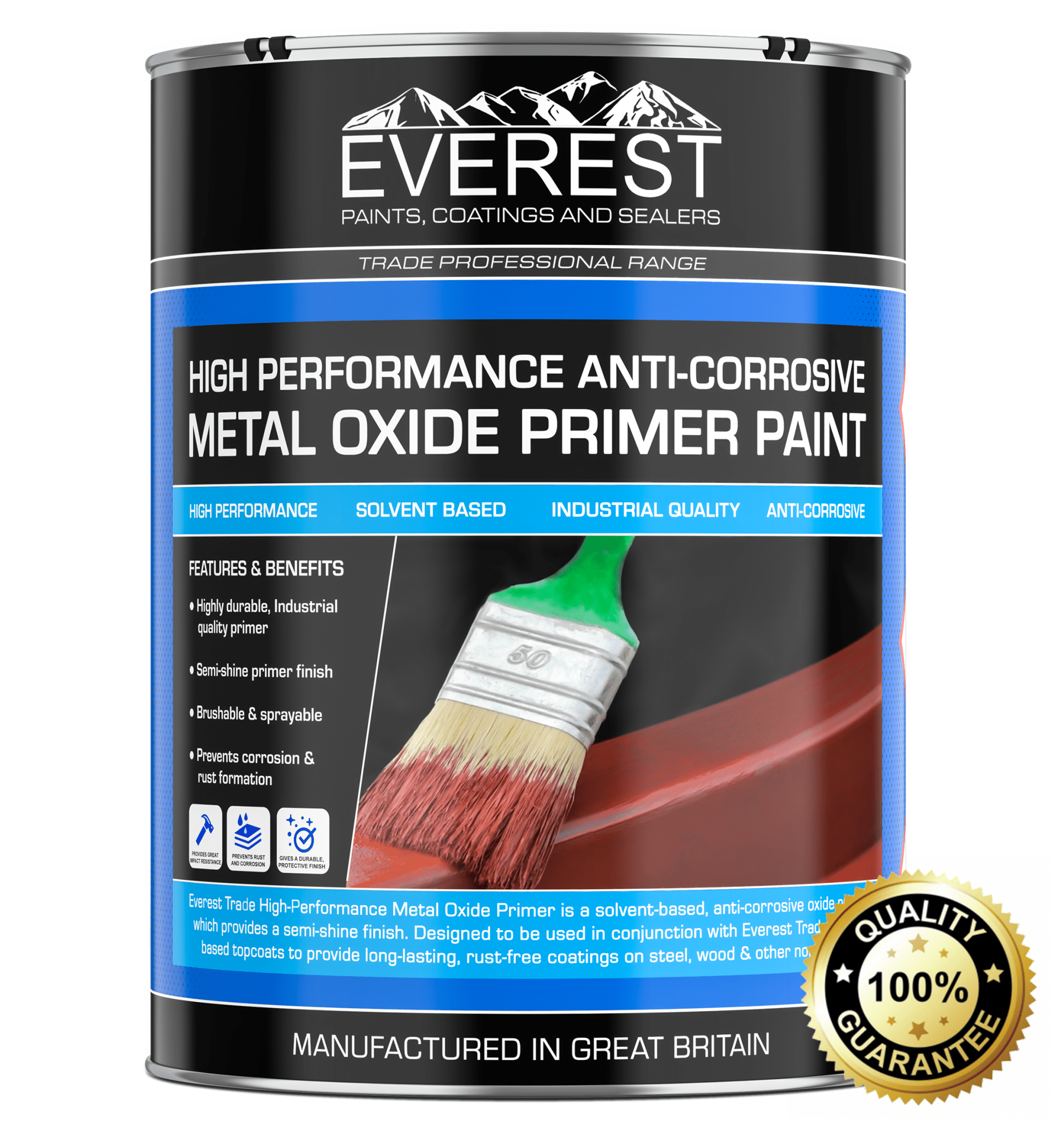
Steel substrates must be inspected for corrosion, flaking coatings and contamination from oils or agricultural residues. Mechanical removal of loose rust and failing paint is required before application. Where corrosion is evident, anti-corrosive primers should be incorporated, even where DTM systems are specified, to improve long-term performance.
Galvanised steel requires degreasing and light abrasion to promote adhesion. New galvanising may need weathering or surface preparation to remove passivation layers. Adhesion testing is advisable where substrate history is uncertain.
Timber elements, including structural framing and cladding, must be clean, dry and free from biological growth. Surface preparation may include abrasion and treatment of knots or resinous areas. Moisture content should be controlled prior to coating.
Fibre cement and masonry surfaces require removal of dirt, algae and friable material. Porous substrates may benefit from compatible stabilising primers to regulate absorption and improve finish consistency.
Across all substrates, preparation quality directly influences corrosion resistance and coating longevity.
Performance Characteristics & Limitations
Acrylic coatings provide weather resistant protection and UV stable colour retention on exposed elevations. Their breathable film structure can be advantageous on masonry and fibre cement, allowing limited vapour transmission while reducing water ingress.
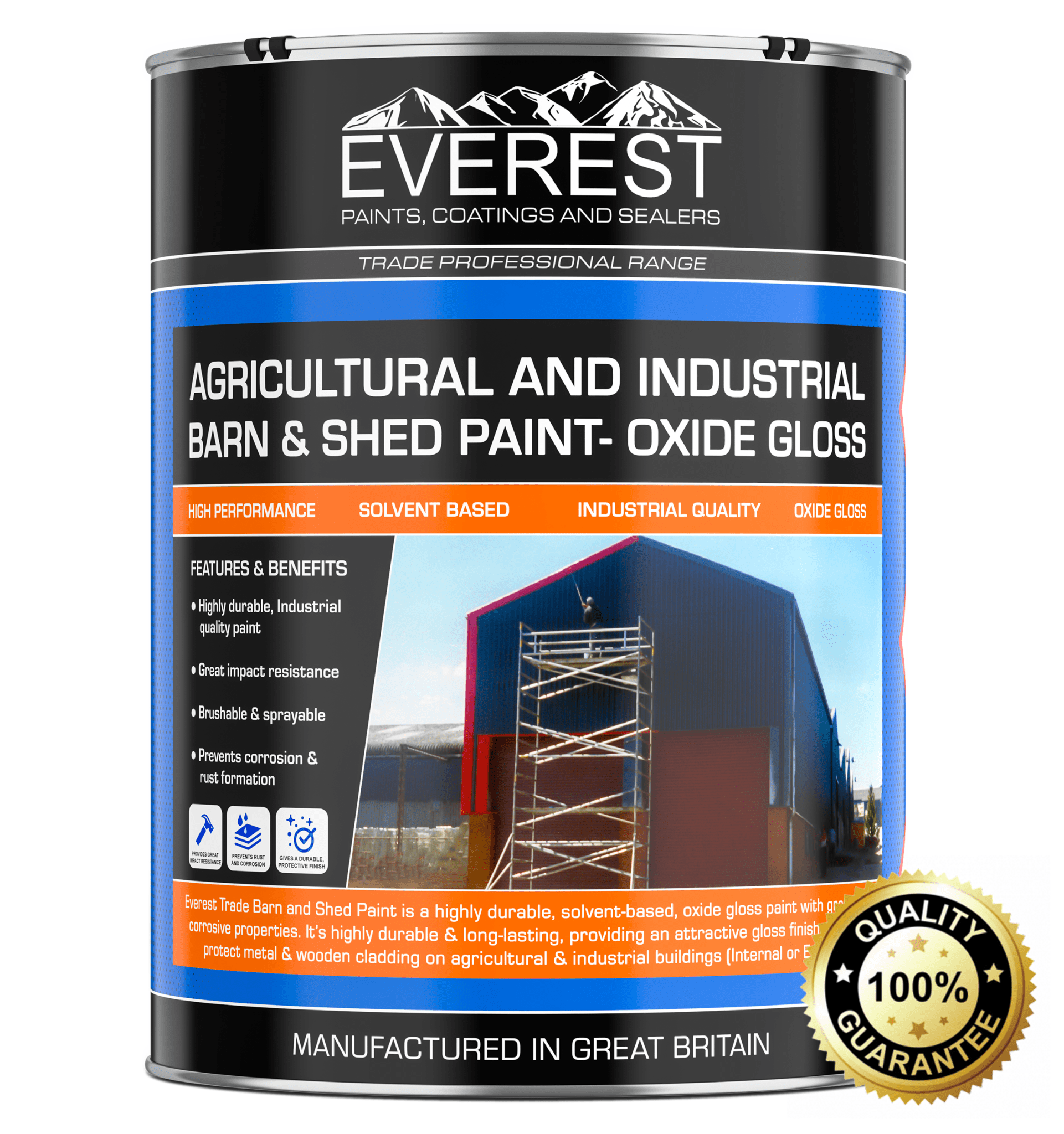
Alkyd systems offer robust gloss and semi-gloss finishes for steel and timber. They provide effective barrier protection in light to moderate agricultural exposure but may gradually lose gloss under sustained UV exposure.
Direct-to-metal systems simplify maintenance programmes by reducing application stages. When applied to correctly prepared ferrous metals, they provide anti-corrosive protection suitable for general agricultural use.
Single pack technologies within this collection offer practical performance for light to heavy agricultural duty, depending on system build. However, they provide lower chemical and abrasion resistance than two pack epoxy or polyurethane coatings. They are not suitable for constant immersion, aggressive chemical washdown or highly corrosive industrial atmospheres without system upgrade.
Internal vs External Considerations
Externally, coatings must resist rainfall, UV radiation and temperature fluctuation. Acrylic systems are typically selected for long-term colour stability on exposed façades, while alkyd and DTM coatings are common on structural steel and metalwork.
Internally, such as within livestock housing or workshops, exposure to condensation, ammonia and general agricultural contaminants should be considered. While suitable for general use, single pack systems may experience reduced lifespan in areas subject to frequent washing or concentrated chemical exposure.
Ventilation and drying conditions should be managed during application, particularly in enclosed farm buildings.
Selection Guidance & When to Specify Alternatives
Farm and agricultural structure paints in this collection are appropriate for routine maintenance and refurbishment of mixed-substrate agricultural buildings.
For general rural exposure on steel frames, cladding and timber elements, acrylic, alkyd and DTM systems provide balanced performance and practical application.
In more severe rural or exposed environments, including coastal locations or structures subject to persistent corrosion, upgrading to higher performance anti-corrosion or specialist cladding systems is recommended.
Where heavy chemical exposure, frequent pressure washing or sustained abrasion is expected, two pack epoxy or polyurethane systems should be considered to achieve extended service life.
Specification should reflect substrate type, exposure severity and maintenance planning, with surface preparation forming the foundation of effective long-term protection.